

In the demanding world of industrial and commercial operations, equipment longevity is synonymous with profitability and efficiency. Among the most hardworking yet often overlooked components are heavy duty castor wheels. These workhorses bear immense loads, navigate tough terrains, and endure constant stress day in and day out. A failure doesn’t just mean replacing a wheel; it can lead to costly downtime, product damage, and safety hazards.
The secret to maximizing your return on investment isn’t just in buying high quality castors; it’s in how you maintain them. Proactive and proper care can double, even triple, the service life of your heavy duty castor wheel sets. Here are six essential maintenance secrets to ensure they keep rolling smoothly for years to come.
Secret 1: The Golden Rule of Regular and Correct Lubrication
Friction stands as the arch-nemesis of any , a relentless force where the wheel bearings and axle points are under constant attack from intense pressures. This sustained friction leads directly to a destructive trifecta of accelerated wear, significant heat buildup, and the eventual risk of complete seizure, any of which can bring equipment to a halt. Understanding why this matters is critical: without proper lubrication to create a protective film, direct metal-on-metal contact grinds down these critical, precision-machined components.
This degradation not only increases the rolling resistance and force required to move the load, thereby putting undue physical strain on operators, but it can also progress to the point where the wheel stops turning entirely, effectively transforming your Heavy Duty Castor Wheels from a tool of mobility into a dragging brake shoe that damages both itself and the floor.
To combat this effectively, a disciplined maintenance routine is essential, starting with establishing a lubrication schedule based directly on usage intensity—for high-use, punishing environments, this could be as frequent as weekly, while for moderate use, a monthly service may suffice; a good operational rule of thumb is to be proactive and lubricate before you hear squeaking or feel noticeable resistance.
The choice of product is equally vital; it is important to avoid heavy, sticky greases that act as a magnet for dirt and grime, forming a destructive abrasive paste that accelerates wear. Instead, one should use a light-grade machine oil or a dedicated penetrating lubricant spray specifically formulated for industrial wheels.
The correct technique completes the process: apply the lubricant directly to the bearing area between the wheel hub and the fork, then slowly rotate the wheel by hand to allow the lubricant to wick and penetrate deep into the entire bearing race, and finally, always wipe away any excess fluid to prevent the very dirt accumulation you are trying to avoid.
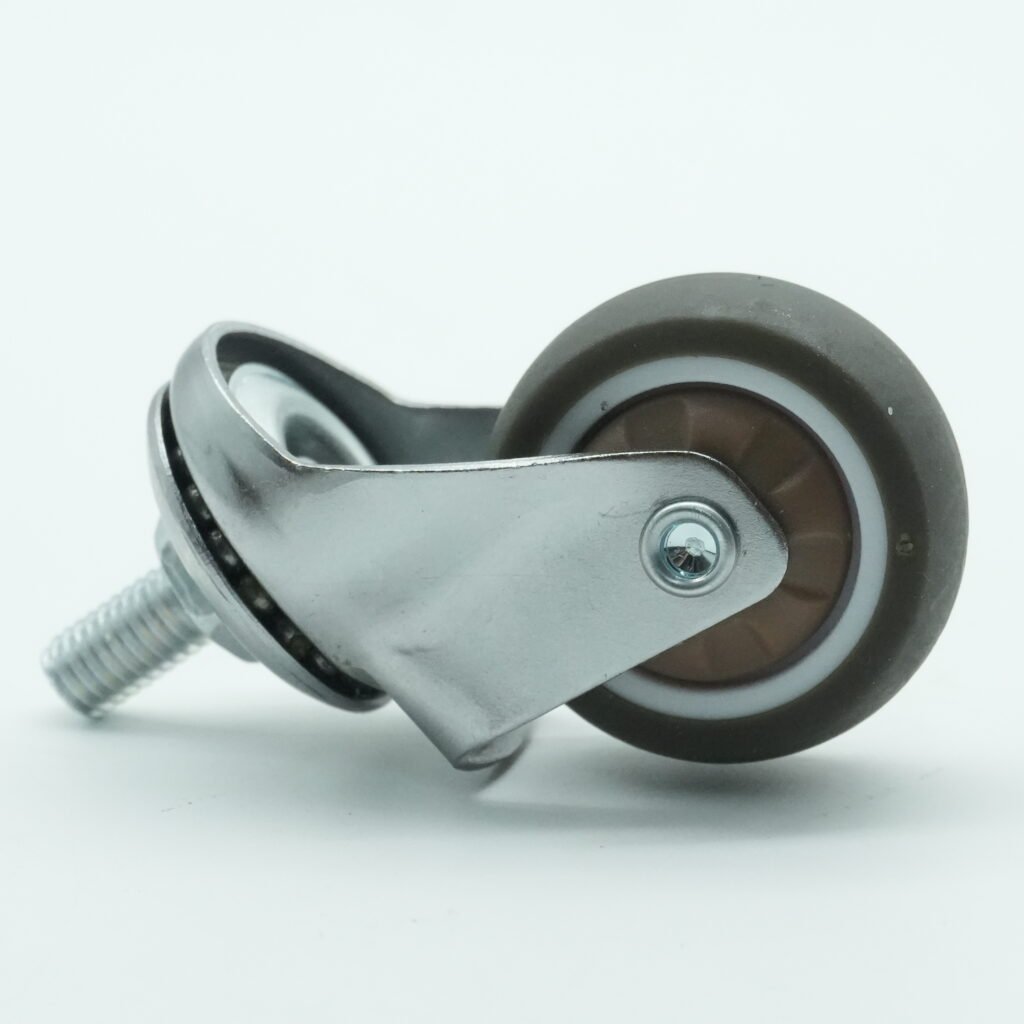
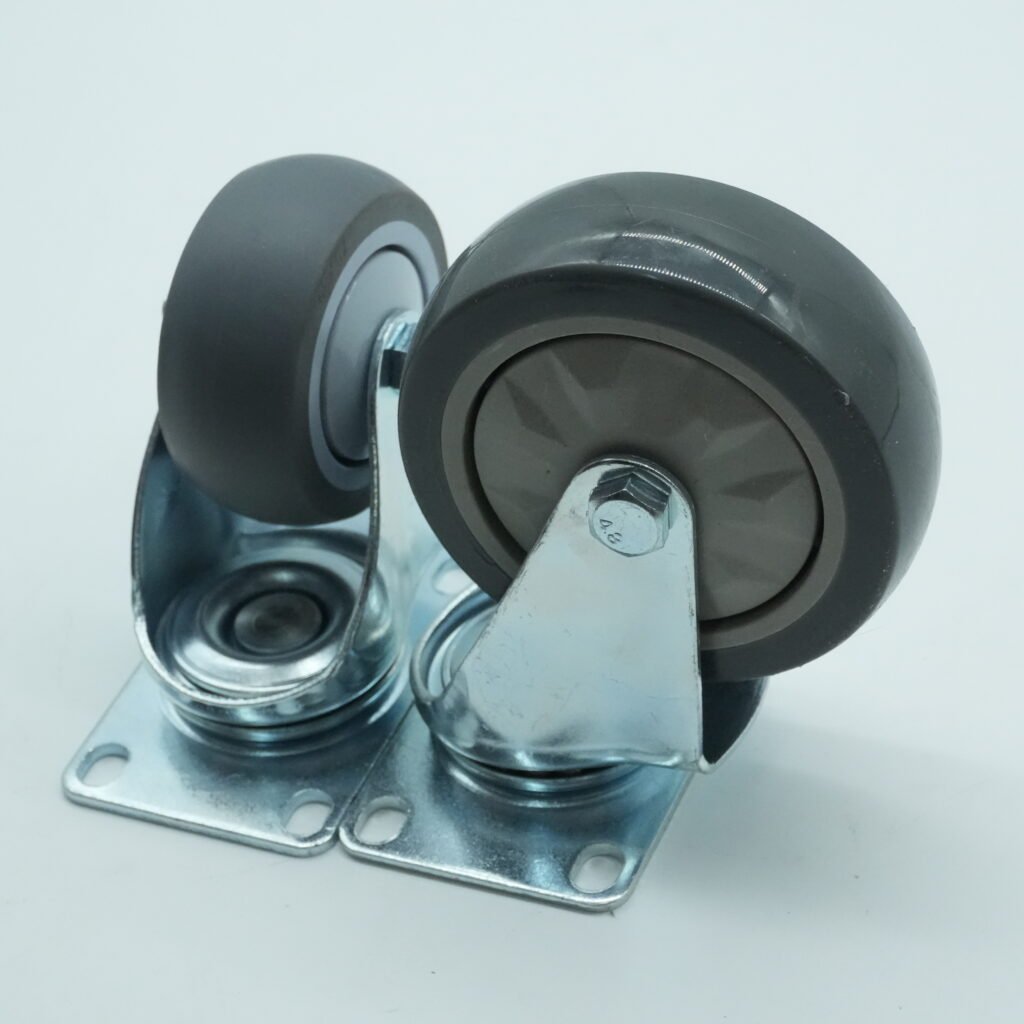
Secret 2: Become a Cleaning Connoisseur
Dirt, dust, grime, and chemical residues are more than just a cleanliness issue; they are abrasive agents that aggressively accelerate wear on wheels, bearings, and swivel mechanisms. This matters because particulate matter acts like sandpaper, slowly eroding the wheel surface and infiltrating sealed areas to damage the internal bearings, while in specific environments like food processing or chemical plants, corrosive substances can degrade the wheel material itself, leading to structural issues like cracking or softening.
To manage this correctly, a disciplined cleaning regimen is essential: start with regular wiping by making it a habit to wipe down the entire Heavy Duty Castor Wheels and fork assembly with a dry cloth at the end of each shift. For a more thorough clean, use a brush with a mild soapy water solution, being sure to avoid high-pressure washers, as they can force water and contaminants past seals into the bearing chamber, which washes away lubricant and causes internal rust. Finally, any spills of corrosive materials must be given immediate attention and cleaned up right away to prevent permanent damage to both the wheel material and the metal structure of the Heavy Duty Castor Wheels.
Secret 3: The Art of the Visual Inspection (and What to Look For)
Implementing a proactive inspection routine is a critical practice, as it can identify small issues before they escalate into catastrophic failures and should be a formal part of your equipment maintenance checklist. The reason this matters is profoundly simple: catching a problem early, such as a small crack in the wheel or a piece of tangled debris, is typically a quick and simple fix, whereas ignoring it can lead to a wheel disintegrating under a heavy load, potentially causing a serious accident, product damage, or operational downtime.
A thorough inspection should focus on several key areas: first, examine the Wheel Wear by checking for flat spots, cracking, chunking, or excessive wear—note that polyurethane and rubber wheels will visually show this wear, while nylon wheels may simply become rough or jagged. Second, look for and meticulously remove any Debris, such as string, hair, wire, or other materials wound around the axle or hub, as these can create significant drag and damage critical seals.
Third, assess the Structural Integrity by inspecting the entire caster fork for any signs of bending, cracking, or stress fractures, and ensure that the kingpin nut is securely tight and that the swivel mechanism moves freely without binding. Finally, check the Bearings by trying to wobble the wheel from side to side; any significant lateral play indicates worn bearings that require immediate replacement to prevent further damage.
Secret 4: Master the Load Capacity – Don’t Push the Limits
Every Heavy Duty Castor Wheels is rated for a specific load capacity, which is not a suggestion but a critical engineering specification that must be strictly observed. The reason this matters so profoundly is that overloading is one of the fastest ways to destroy Heavy Duty Castor Wheels;
it causes premature wheel fatigue and deformation, dramatically increases the rate of bearing failure, and can lead directly to the catastrophic structural failure of the fork or axle, potentially causing the entire piece of equipment to collapse. To do this correctly, you must always perform a careful calculation: remember that the total load is distributed across all Heavy Duty Castor Wheels, meaning a 2000kg machine on four casters requires casters rated for at least 500kg each.
However, this calculated figure is an absolute minimum; you must also account for real-world variables like uneven floors, dynamic forces from starting, stopping, and hitting bumps, and potential uneven weight distribution across the equipment. A fundamental best practice is therefore to choose Heavy Duty Castor Wheels with a 25-30% higher load capacity than your calculated minimum to create a necessary safety margin. Furthermore, it is crucial to consider the entire system, as overloading just one Heavy Duty Castor Wheels on a piece of equipment places immense stress on the equipment’s entire frame and the other casters, leading to a domino effect of interconnected failures.

Secret 5: Match the Wheel to the Floor & Environment
Heavy Duty Castor Wheels are not a one-size-fits-all solution, and selecting the wrong wheel material for your specific operating environment is a direct recipe for a drastically shortened lifespan and operational failure. This matters critically because an incompatible wheel will wear out exponentially faster; for instance, a soft rubber wheel used on a rough, abrasive outdoor surface will be quickly shredded, while a hard nylon wheel operated on a pristine epoxy floor will inevitably mark and permanently damage the expensive flooring.
To make the correct selection, you must match the wheel to the floor condition: for soft, resilient floors like epoxy, vinyl, or wood, you should use non-marking polyurethane or rubber tread wheels, as they protect your floors while simultaneously providing excellent rollability and shock absorption.
Conversely, for rough, abrasive floors like unfinished concrete or asphalt, you must choose a hard, durable material such as nylon, phenolic, or a specially formulated polyurethane designed for high abrasion resistance, as these materials effectively resist cutting and chunking. Furthermore, special environments demand specialized solutions: for wet or chemical-prone areas, use castors with corrosion-resistant components like stainless steel or plastic swivel heads, paired with wheels made of chemically inert materials like polyurethane, nylon; for high-temperature areas, it is essential to select wheels specifically rated for such heat, as standard wheel materials can soften, deform, and fail under elevated temperatures.
Secret 6: The Swivel Mechanism – Don’t Let It Be Forgotten
While the wheel bears the vertical load, the swivel mechanism is what provides essential maneuverability, and neglecting its maintenance leads directly to stiff, hard-to-steer equipment that strains operators and can induce a dangerous vibration known as “caster shimmy.” This matters because the swivel joint contains a precision assembly of ball bearings or a raceway that must rotate freely; when this assembly seizes up due to contamination or lack of lubrication, it puts immense, concentrated stress on the kingpin and the entire caster structure during turns, potentially leading to catastrophic breakage.
To maintain it correctly, a simple routine is required: periodically, lift the equipment to unload the caster and spin it by hand—it should rotate 360 degrees freely and smoothly without any binding or gritty sensation. Furthermore, lubricate the kingpin if the Heavy Duty Castor Wheels design allows for it, applying only a small amount of the lubricant specified by the manufacturer’s instructions to protect the swivel bearing.
Finally, check the kingpin nut; if the swivel feels loose or has excessive play, there is often an adjustable kingpin nut that can be carefully tightened to eliminate this looseness, but it is crucial not to overtighten it, as this will create excessive friction and make swiveling just as difficult as if it were seized.
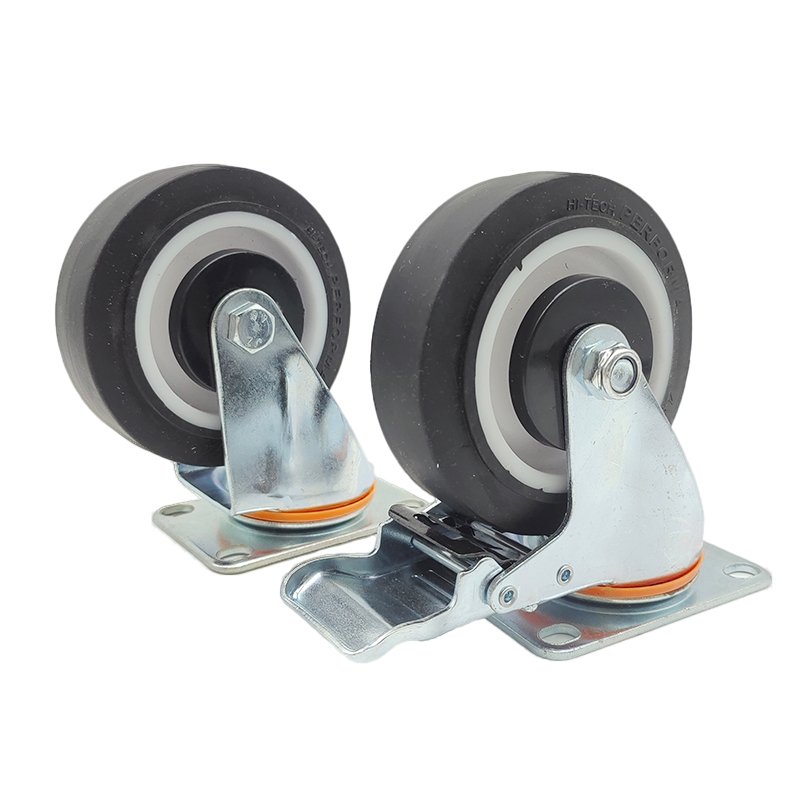
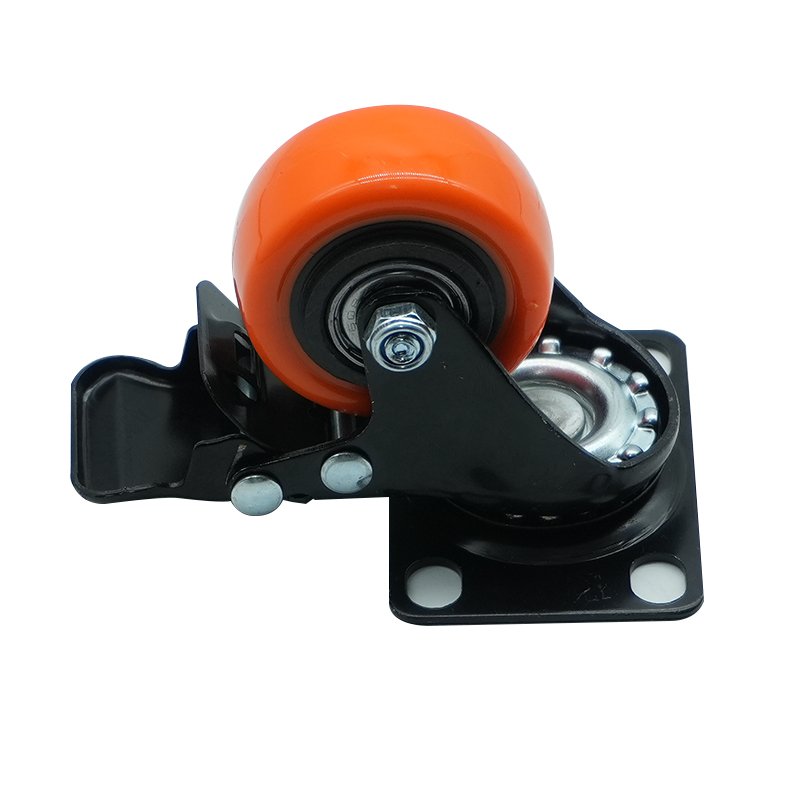

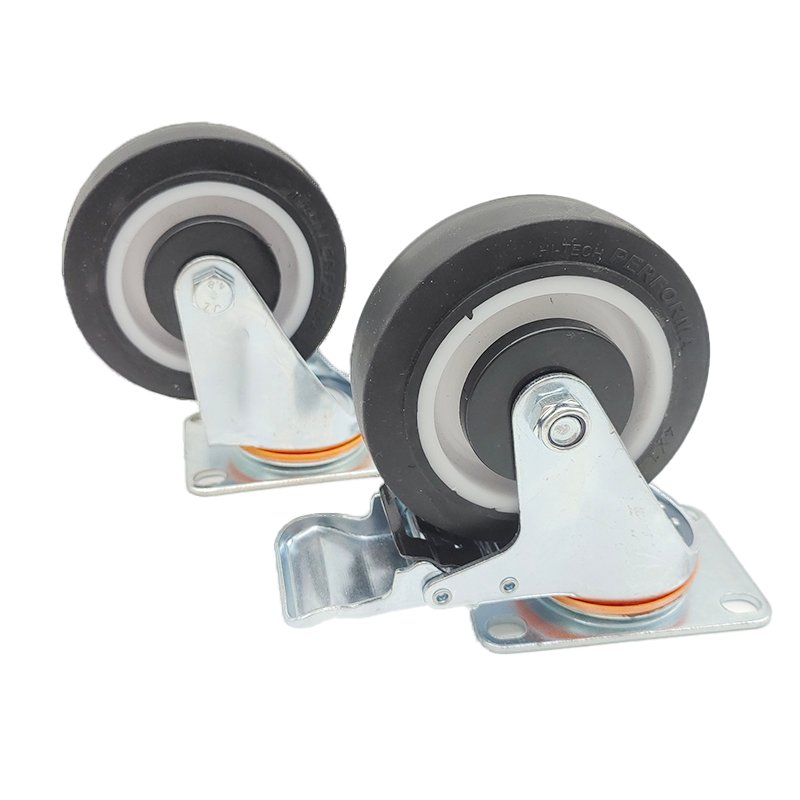

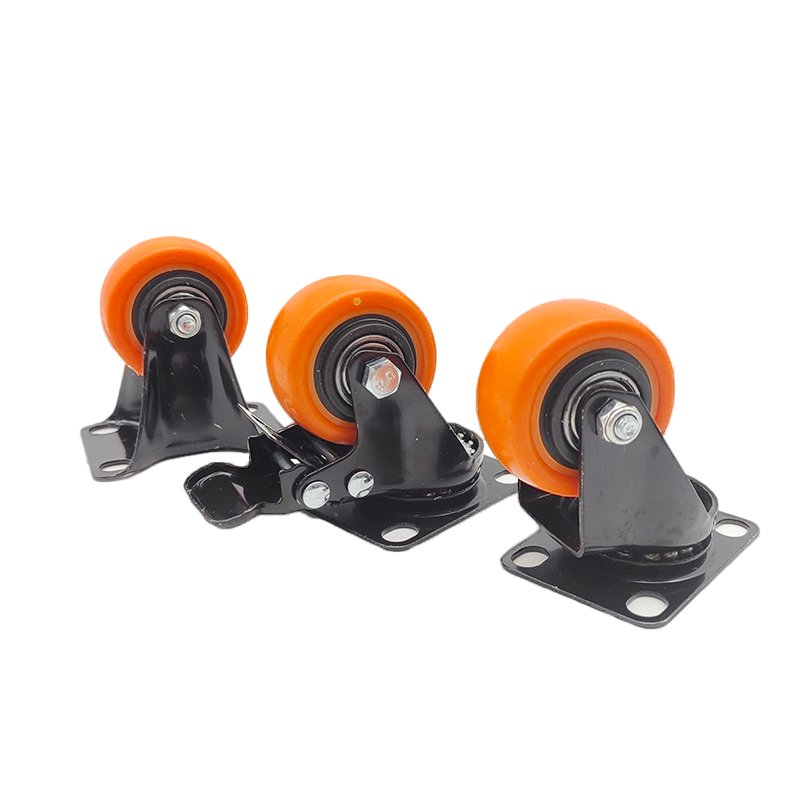


Conclusion: An Ounce of Prevention is Worth a Ton of Cure
Your heavy duty castor wheels are a critical investment in the fluidity of your operation. By integrating these six simple yet powerful maintenance secrets into your routine, you are not just maintaining hardware; you are safeguarding productivity, enhancing safety, and protecting your bottom line. A wellmaintained heavy duty castor wheel is a reliable partner in progress, ensuring that your business continues to move forward, one smooth roll at a time.
Ready to invest in highquality, durable heavy duty castor wheels built for longevity from the start? Explore our premium range of industrial castors designed to withstand the toughest challenges, backed by expert support to help you choose the perfect solution for your needs.




Leave a Reply