


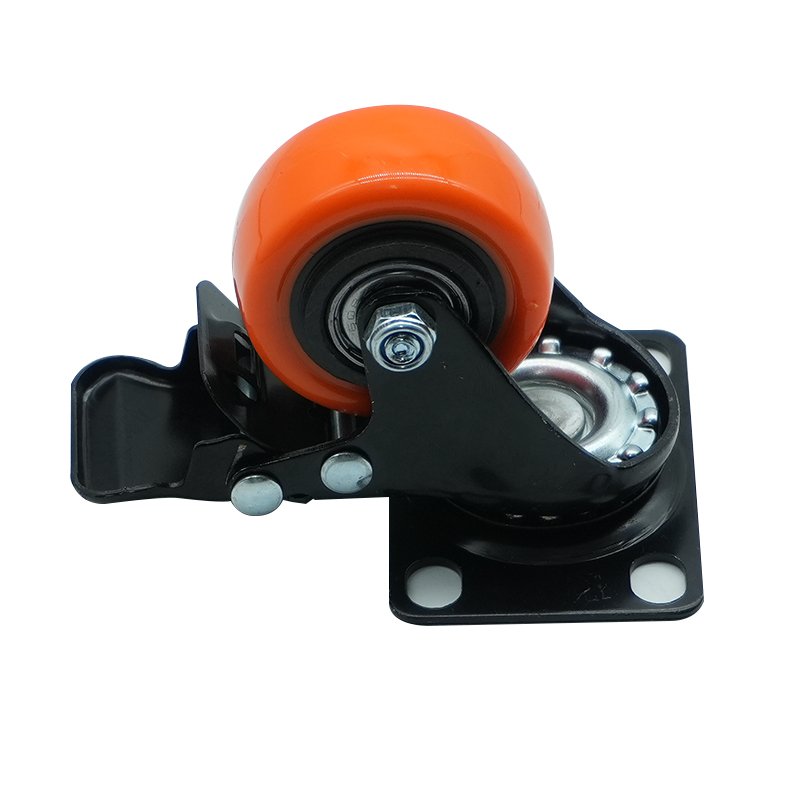
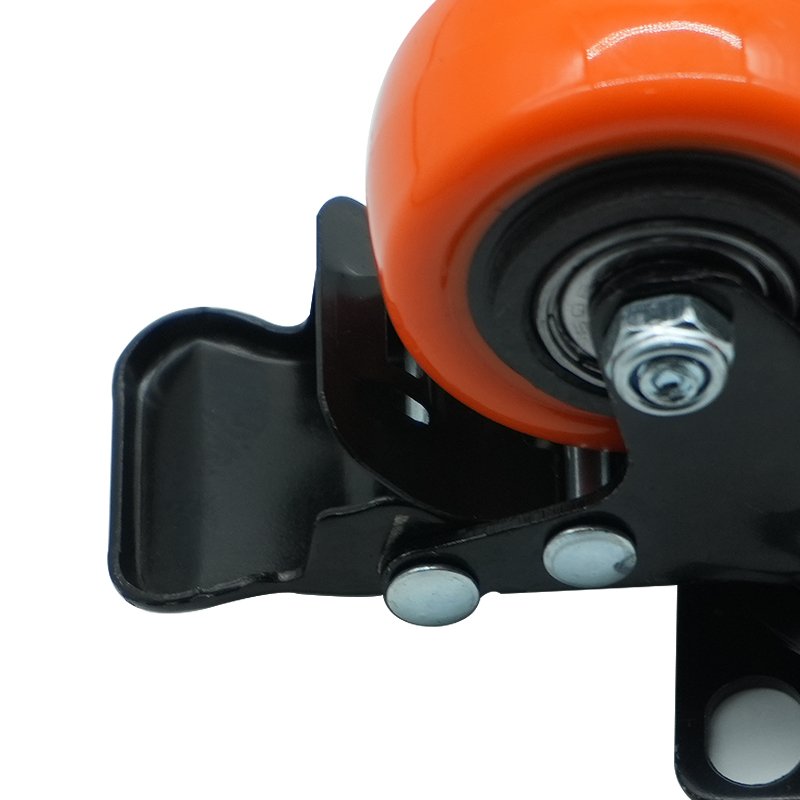
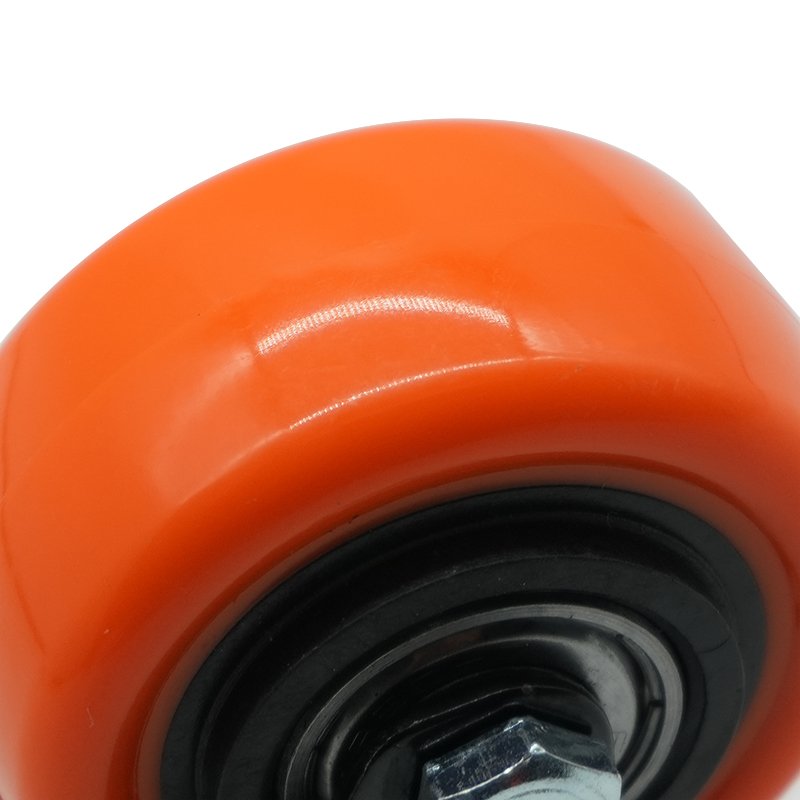
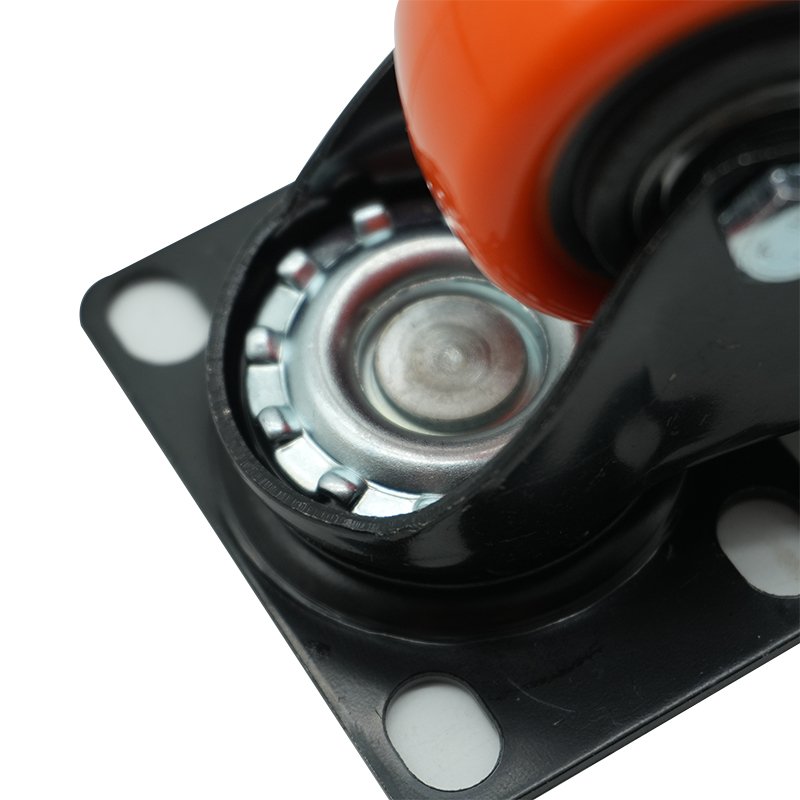
Heavy Duty Caster Wheels with Locks
Understanding Heavy Duty Caster Wheels with Locks: The Backbone of Industrial Mobility
In the dynamic world of industrial operations, efficient mobility and absolute safety stand as pillars of productivity. Heavy duty caster wheels with locks represent more than mere components—they are sophisticated material handling solutions engineered to address the dual challenge of moving substantial loads while ensuring they remain securely in place when required. These are not your average casters; they are precision-engineered systems designed to withstand the rigors of daily industrial use while providing the operational control necessary in demanding environments.
The essence of heavy duty caster wheels with locks lies in their ability to transform static equipment into dynamic assets without compromising stability. In warehouses, manufacturing facilities, healthcare institutions, and commercial enterprises, these casters serve as the critical interface between equipment and flooring, enabling seamless relocation of everything from delicate medical apparatus to multi-ton industrial machinery. The incorporation of specialized locking mechanisms elevates their functionality from simple mobility devices to comprehensive positioning tools that enhance workplace safety and operational efficiency.
What truly distinguishes heavy duty casters with locks from their standard counterparts is their robust construction and specialized functionality. They are conceived from the ground up to meet exacting performance standards, with engineered components working in concert to deliver uncompromising load support, smooth maneuverability, and positive positioning when engaged. The locking mechanisms—available in various configurations to suit different applications—provide that critical assurance that equipment will not move unintentionally during operation, loading, or in situations where stability is paramount for safety.
The economic implications of selecting the appropriate heavy duty caster wheels with locks extend far beyond the initial purchase price. These components directly impact long-term operational costs through reduced flooring damage, decreased product loss from shifting equipment, minimized worker injury risk, and extended equipment life. When properly specified and maintained, quality casters with reliable locking systems represent an investment in workplace safety, operational efficiency, and asset protection that pays dividends throughout their service life.
Core Technical Specifications & Engineering Excellence: Beyond Basic Wheels
2.1 Load Capacity & Structural Integrity
The defining characteristic of any heavy duty caster wheel system is its load-bearing capability, a specification that goes far beyond a simple number on a spec sheet. True heavy duty casters begin their performance threshold at approximately 280 pounds per caster and extend upward to an impressive 1,000 pounds and beyond, with specialized models reaching capacities of 3,000 pounds for extreme applications. These ratings represent not just static weight support but the ability to maintain structural integrity under dynamic conditions—while moving, turning, and overcoming floor irregularities.
Understanding load capacity requires recognizing the critical distinction between static and dynamic loading. Static load capacity refers to the weight a caster can support when stationary—important but not representative of real-world use. Dynamic load capacity, the more relevant metric, indicates performance during motion, accounting for the additional stresses imposed by movement, direction changes, and floor transitions. Professional specifications often incorporate a safety factor—typically 3:1 to 5:1—meaning a caster rated for 1,000 pounds may actually withstand 3,000 to 5,000 pounds before failure, providing that crucial margin of safety for unexpected impacts or overload conditions.
The achievement of these impressive load capacities stems from deliberate engineering choices in materials and construction. Hot-forged steel components, reinforced swivel sections, and thickened steel plates—such as the 5mm thick galvanized brackets noted in some models—work in concert to create structures capable of shouldering immense weight without deformation. The fork design, often overlooked, plays a critical role in distributing stress throughout the assembly rather than concentrating it at the axle or mounting points, while the kingpin (in traditional designs) or precision bearing race (in kingpinless models) maintains alignment under sideload conditions that would compromise lesser casters.
2.2 The Science of Wheel Materials
Selecting the appropriate wheel material represents one of the most critical decisions in specifying heavy duty casters with locks, as this choice directly influences floor protection, noise generation, shock absorption, and rolling efficiency. Each material offers a distinct combination of properties tailored to specific environmental conditions and operational requirements.
Table: Comparative Analysis of Heavy Duty Caster Wheel Materials
| Material | Best For | Floor Protection | Noise Level | Load Capacity | Environmental Resistance |
|---|---|---|---|---|---|
| Polyurethane | Indoor factories, warehouses, commercial kitchens | Excellent | Low to moderate | High | Good resistance to oils, greases, and many chemicals |
| Phenolic (Vulcolized) | High-temperature environments (foundries, glass factories) | Good | Moderate to high | Very high | Excellent heat resistance up to 500°F (260°C) |
| Solid Rubber/TPR | Outdoor applications, uneven surfaces, noise-sensitive areas | Very good | Low | High | Good resistance to weathering, ozone, and abrasion |
| Nylon | Heavy loads, abrasive environments, chemical exposure | Good (hard material) | Moderate | Very high | Excellent resistance to chemicals, oils, and solvents |
Modern advancements in material science have led to specialized compounds that bridge the gap between these categories. For instance, polyurethane formulations now exist with enhanced chemical resistance for food processing applications, while rubber compounds have been developed with anti-static properties for electronics manufacturing environments. The emergence of non-marking formulations across all material types addresses the critical need for preserving floor surfaces in facilities where aesthetic appearance matters, such as retail spaces, hospitals, and clean rooms.
2.3 Bearing Systems & Swivel Mechanisms
At the heart of every high-performance heavy duty caster lies its bearing system—the component responsible for transforming resistant rolling and swiveling motion into smooth, effortless movement. Bearings represent the interface between stationary and moving parts, reducing friction while supporting radial and axial loads imposed during operation. Heavy duty applications typically employ one of several bearing types: precision ball bearings for optimal efficiency in swivel mechanisms, roller bearings for extreme radial loads at the wheel hub, or delrin bushings for corrosive environments where metal bearings would succumb to rust.
The swivel mechanism itself represents a marvel of engineering simplicity, enabling the 360-degree rotation that provides unmatched maneuverability in tight spaces. In heavy duty configurations, this system typically employs double ball raceways to distribute load across a greater surface area, preventing brinelling (surface deformation) that would eventually lock the swivel action. Higher-quality models often incorporate zerk fittings for periodic lubrication, extending service life in demanding applications where sealed bearings would eventually succumb to contamination or lubricant breakdown.
2.4 Mounting Systems & Installation
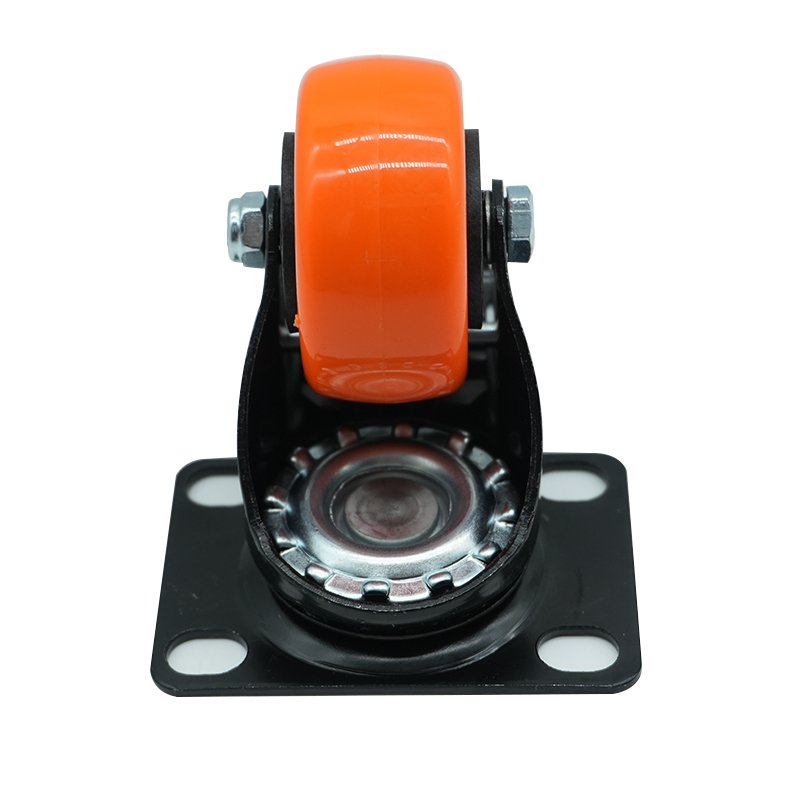
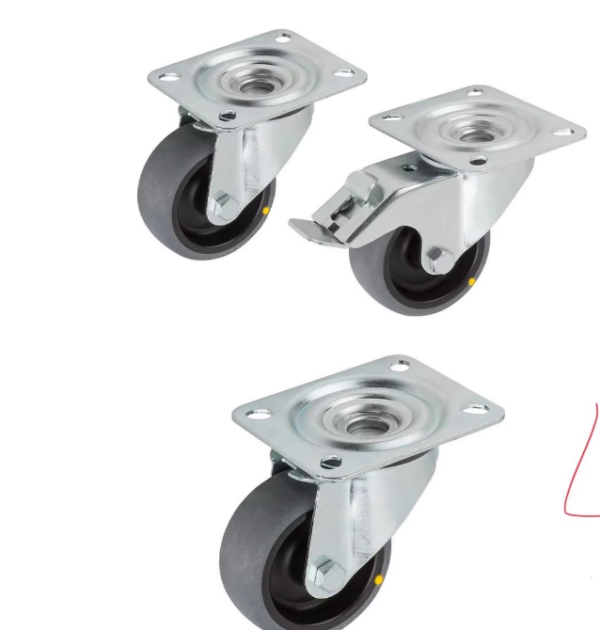
The interface between caster and equipment—the mounting system—serves as the critical connection point where loads transfer from application to caster. Heavy duty implementations predominantly utilize top plate mounting with standardized bolt patterns (commonly 4″ x 4″ or 4.5″ x 6.25″ for heavier applications) , providing substantial surface area for secure attachment. These plates typically feature slotted holes to accommodate minor misalignment during installation while maintaining the full strength of the connection.
Alternative mounting configurations address specialized requirements: threaded stems offer solutions for furniture and light industrial applications where plate mounting proves impractical, while grip ring stems provide quick installation for light to medium duty applications. For the most extreme applications, bolt-through holes replace standard slotted configurations, allowing for secure fastening that resists the loosening tendency induced by vibration and shock loading in industrial environments.
Comprehensive Application Scenarios: Where Heavy Duty Casters with Locks Excel
3.1 Industrial Manufacturing & Warehousing
Within manufacturing facilities and warehouse operations, heavy duty casters with locks form the foundation of material handling systems that keep production flowing and inventory moving. Customized carts equipped with these casters transport raw materials to production lines, move work-in-progress between stations, and deliver finished goods to shipping areas. The locking mechanisms prove indispensable during loading and unloading operations, preventing dangerous movement that could lead to product damage or worker injury. In these environments, the dual locking systems that secure both wheel rotation and swivel movement provide the stability necessary for precise positioning of heavy loads, often in conjunction with loading docks and other elevated surfaces where unintended movement could prove catastrophic.
The economic impact of selecting appropriate casters in these settings directly affects bottom-line profitability. Equipment downtime for caster repair or replacement translates directly to lost productivity, while floor damage from inferior wheels necessitates expensive repairs and creates potential trip hazards. The noise reduction properties of certain wheel materials contribute to improved working conditions, potentially enhancing workforce concentration and reducing fatigue-related errors in precision manufacturing environments.
3.2 Healthcare & Institutional Applications
Medical facilities present a unique set of challenges for mobility systems, combining the need for absolute stability during patient procedures with whisper-quiet operation during nighttime rounds. Heavy duty casters with locks in healthcare settings must accommodate substantial static loads (particularly with modern diagnostic equipment that may weigh thousands of pounds) while providing smooth, effortless movement between patient rooms and departments. The locking mechanisms in these environments often feature low-profile designs to minimize tripping hazards in busy corridors while providing positive engagement to prevent movement during delicate procedures.
Beyond traditional medical equipment, these casters find application on medication carts, mobile workstations, and food service equipment where security and maneuverability must coexist. The non-marking qualities of many healthcare-grade casters preserve expensive flooring, while materials with inherent bacterial resistance or cleanable surfaces support infection control protocols. In mental health facilities, specialized locks may feature keyed operation to prevent unauthorized movement of equipment, demonstrating how a simple component can be adapted to address specific institutional requirements.
3.3 Commercial & Retail Implementations
The commercial landscape presents a different set of priorities for heavy duty caster implementation, where aesthetic considerations often balance with functional requirements. In hospitality settings, casters enable rapid reconfiguration of banquet furniture and efficient cleaning operations, while locking mechanisms ensure stability during use. Retail environments employ heavy duty casters on display fixtures, stocking carts, and point-of-sale stations, with the locking function preventing unintended movement that could disrupt carefully arranged merchandising presentations or create potential safety hazards.
The acoustical properties of caster wheels become particularly important in commercial settings where noise disruption detracts from the customer experience. Restaurant patrons don’t want to hear screeching casters during their meal; hotel guests appreciate quiet hallway operations during nighttime hours. These considerations often lead commercial specifiers toward polyurethane or rubber wheel formulations that combine floor protection with quiet operation, while still providing the load capacity necessary for heavy commercial equipment like industrial cooking apparatus or commercial refrigeration units that require periodic relocation for cleaning and maintenance.
3.4 Specialized Environments & Extreme Conditions
Beyond these conventional applications, heavy duty casters with locks find purpose in specialized environments with unique operational challenges. Food processing facilities require casters that withstand frequent washdowns with corrosive cleaning agents, typically constructed from stainless steel or heavily plated materials with food-grade lubricants throughout. Cleanroom applications demand non-shedding materials and designs that minimize particulate generation, while maintaining the load capacity necessary for specialized manufacturing equipment.
Outdoor and semi-outdoor applications present their own challenges, from UV degradation of certain wheel materials to the corrosive effects of precipitation and temperature extremes. For these settings, galvanized steel or stainless steel constructions paired with weather-resistant wheel materials like solid rubber or specialized polymers provide longevity despite environmental exposure. The locking mechanisms in these applications often feature corrosion-resistant coatings and sealed components to ensure reliable operation despite infrequent use that might allow oxidation to compromise unprotected mechanisms.
The Selection Process: A Systematic Approach to Choosing Heavy Duty Casters with Locks
4.1 Load Assessment & Capacity Planning
The foundational step in selecting appropriate heavy duty casters with locks involves accurate load assessment—a process often underestimated in its complexity. Proper load calculation extends beyond simply dividing the equipment weight by the number of casters; it must account for dynamic loading factors that increase stress during movement, starting, and stopping. The professional approach incorporates a safety factor that typically reduces the usable capacity by 25-30% from the published static rating, meaning a caster rated for 1,000 pounds would be allocated for approximately 700-750 pounds in actual service.
The distribution of weight across multiple casters rarely proves perfectly even, particularly when equipment features asymmetric weight distribution or operates on uneven surfaces where one caster may momentarily bear disproportionate load. This reality underscores the importance of selecting casters with individual capacities that exceed the simple arithmetic division of total weight by casters count. Additionally, the impact resistance of the caster construction becomes relevant when loads are dynamic rather than static—when equipment is moved quickly or over irregular surfaces, the instantaneous forces can far exceed the static weight figures.
For applications involving shock loading or rapid directional changes, the margin between rated capacity and actual load should expand accordingly. Equipment that transports liquids presents additional complications, as sloshing creates shifting centers of gravity that transfer load unpredictably between casters. In these scenarios, consulting with engineering professionals or reputable manufacturers provides valuable guidance in selecting casters that will deliver both the immediate performance and long-term reliability that industrial operations require.
4.2 Environmental Considerations & Material Compatibility
The operating environment profoundly influences the optimal selection of heavy duty casters with locks, with factors extending far beyond simple indoor/outdoor distinctions. Flooring compatibility represents perhaps the most immediate consideration—are the casters traveling across expensive epoxy finishes that demand non-marking wheels , or rough concrete that quickly destroys soft materials? The answer determines both the wheel material selection and potentially the need for additional floor protection measures in facilities where flooring represents a substantial capital investment.
Temperature extremes dramatically affect caster performance, with both high and low temperatures influencing material properties. High-temperature environments (foundries, commercial bakeries, etc.) may require specialized phenolic wheels -1 that maintain their structural integrity when standard materials would soften and degrade. Conversely, cold storage facilities demand materials that resist embrittlement at sub-freezing temperatures while maintaining sufficient flexibility for smooth rolling—often specialty rubber compounds formulated for cold service.
The presence of chemical exposure—whether intentional during sanitation procedures or incidental through operational spills—demands careful consideration of material compatibility. Polyurethane wheels, while excellent for many applications, may degrade in the presence of certain solvents; nylon wheels offer superior chemical resistance but may be too hard for certain flooring types. In corrosive environments like food processing or chemical manufacturing, stainless steel construction becomes necessary to prevent rapid deterioration of the caster itself, while specialized seals protect bearing systems from contamination that would quickly compromise functionality.
4.3 Locking Mechanism Selection
The selection of appropriate locking mechanisms represents a critical decision point in specifying heavy duty casters, with options designed to address specific operational requirements:
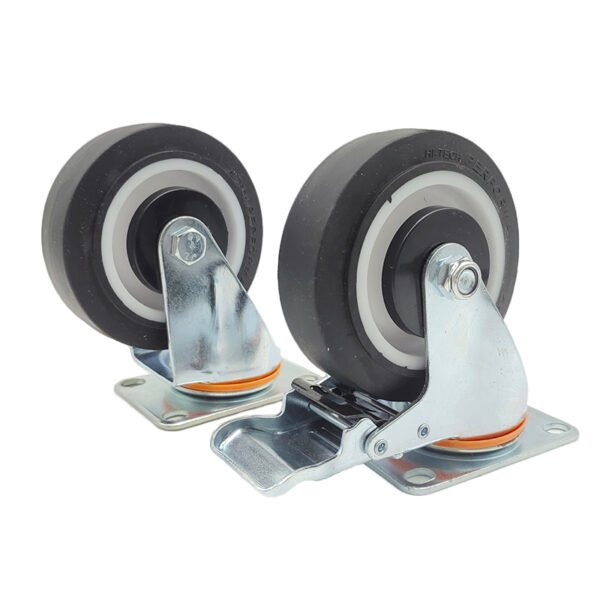
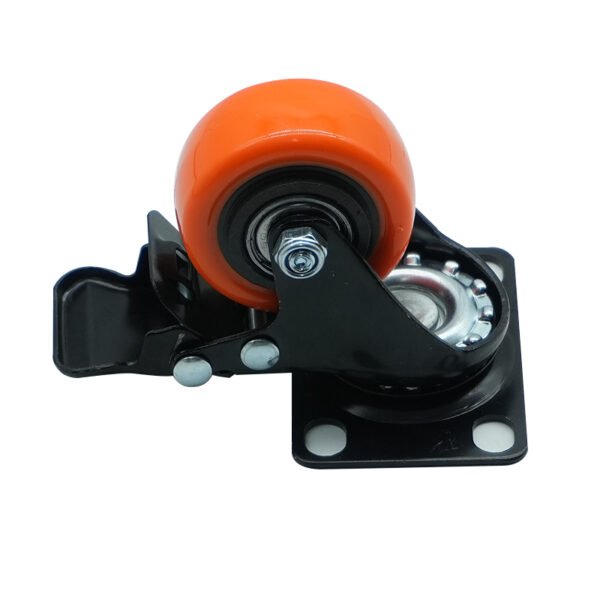
Total Lock Brakes (Dual Lock): These comprehensive systems simultaneously secure both the wheel rotation and the swivel mechanism, providing complete immobilization of equipment. Particularly valuable on uneven surfaces where swivel movement might occur even with wheel locks engaged, total lock systems represent the gold standard for safety in critical applications. The engagement mechanisms vary from foot-operated pedals for hands-free operation to lever-style activations that provide visual confirmation of engagement status.
Side Lock Brakes: Operating through friction applied to the wheel tread, side locks prevent rolling motion while typically allowing swivel action to continue. While offering slightly less stability than total lock systems, they provide sufficient security for many applications while often featuring simpler mechanical designs that may enhance reliability in demanding environments. Their operation typically involves a simple foot pedal or lever that presses a brake shoe against the wheel circumference.
Top Lock Brakes: Engaged through a mechanism that applies pressure to the kingpin or swivel raceway, top locks primarily prevent swiveling action while potentially allowing limited wheel rotation. Particularly valuable for equipment that requires directional stability once positioned, these systems often feature robust construction suitable for the most demanding industrial environments.
The selection process should consider both the frequency of engagement and the criticality of immobilization. High-use applications benefit from foot-operated systems that minimize operator bending, while situations where safety depends on positive locking demand mechanisms with clear visual engagement indicators. The mechanical advantage designed into the locking system also warrants evaluation—systems requiring excessive force to engage may be bypassed by frustrated operators, compromising safety protocols.
Quality Assurance & Manufacturer Commitment: The Value Proposition Beyond Price
5.1 Manufacturing Excellence & Quality Control
The journey toward reliable heavy duty casters with locks begins with manufacturing integrity—the processes, controls, and philosophies that transform raw materials into precision components. Leading manufacturers implement comprehensive quality management systems, often certified to international standards like ISO 9001, that govern every aspect of production from raw material sourcing to final assembly. This systematic approach ensures consistency—critical for operations that depend on predictable performance and interchangeability across equipment fleets.
Beyond system certifications, tangible manufacturing practices separate exceptional casters from merely adequate ones. Heat treatment of critical components enhances strength and wear resistance in high-stress areas like axles and kingpins, while precision machining ensures consistent fitment of moving parts to prevent premature wear. The finishing processes—particularly plating for corrosion resistance—receive meticulous attention, with coating thickness verified to ensure complete coverage in the microscopic pores that might otherwise become initiation points for corrosion.
The integration of testing protocols throughout the manufacturing process provides the final verification of quality before products reach customers. These evaluations range from material certification to validate mechanical properties to destructive testing of sample products to establish actual breaking points far beyond rated capacities. Performance testing under simulated real-world conditions—including continuous rolling, repeated swiveling under load, and brake engagement cycles—ensures that products will deliver reliable service throughout their intended lifespan, validating design decisions and manufacturing consistency alike.
5.2 Warranty & Technical Support
The confidence manufacturers place in their products finds formal expression through warranty provisions that protect customers against premature failure or performance issues. These agreements vary substantially across the industry, from limited warranties that may cover only material defects to comprehensive programs like the 3-year limited warranty offered by some manufacturers that reflect genuine confidence in product durability. Understanding warranty terms—including coverage duration, what components are included, and the remedy process—provides valuable insight into how manufacturers stand behind their products.
Beyond formal warranties, the availability of technical support resources represents an often-overlooked aspect of the value proposition. Knowledgeable representatives who understand both their products and customer applications can provide invaluable guidance in specification, installation, and maintenance—potentially preventing costly misapplications. This support extends throughout the product lifecycle, with responsive parts departments ensuring that repair components remain available years after initial purchase, protecting customers from the obsolescence that might otherwise shorten equipment service life.
5.3 Customization & Specialized Solutions
While standardized heavy duty casters with locks address the majority of application requirements, specialized circumstances often demand customized solutions tailored to unique operational challenges. These modifications range from relatively simple alterations like special hole patterns on top plates to complete re-engineering of components for non-standard applications. Manufacturers maintaining comprehensive engineering capabilities offer invaluable resources in these situations, applying decades of collective experience to develop solutions for challenges ranging from extreme temperature operation to compatibility with unique flooring materials.
The customization process typically begins with thorough application analysis, identifying both the explicit requirements and implicit challenges that might affect performance. From this foundation, engineers may propose material substitutions, dimensional modifications, or specialized components that collectively create a solution optimized for the specific application. This collaborative approach extends the versatility of heavy duty casters with locks into virtually any scenario requiring reliable mobility coupled with positive positioning, regardless of how specialized the operational environment might be.
Conclusion: Moving Forward with Confidence
Heavy duty caster wheels with locks represent far more than simple mobility components—they are sophisticated engineering systems that directly impact operational efficiency, workplace safety, and long-term equipment viability. The selection process demands careful consideration of multiple interrelated factors: from accurate load assessment to environmental compatibility, from locking mechanism selection to mounting configuration. By applying the systematic approach outlined in this comprehensive guide, specifiers can make informed decisions that balance immediate requirements with long-term performance, ensuring that the selected casters deliver both the mobility and stability that modern industrial operations demand.
The true measure of successful caster specification reveals itself not at the moment of installation but throughout years of reliable service—in the smooth maneuverability of heavily laden equipment, the confident engagement of locking mechanisms when stability matters most, and the unnoticed durability that comes from proper application. By partnering with manufacturers who combine engineering expertise with manufacturing discipline, and by applying the systematic selection methodology presented here, organizations can transform what might otherwise be a simple component decision into a strategic investment in their operational infrastructure—one that pays dividends in safety, efficiency, and reliability for years to come.
Reviews
There are no reviews yet.